How to Get Started
How to Get Started guides on Careertrailmap.
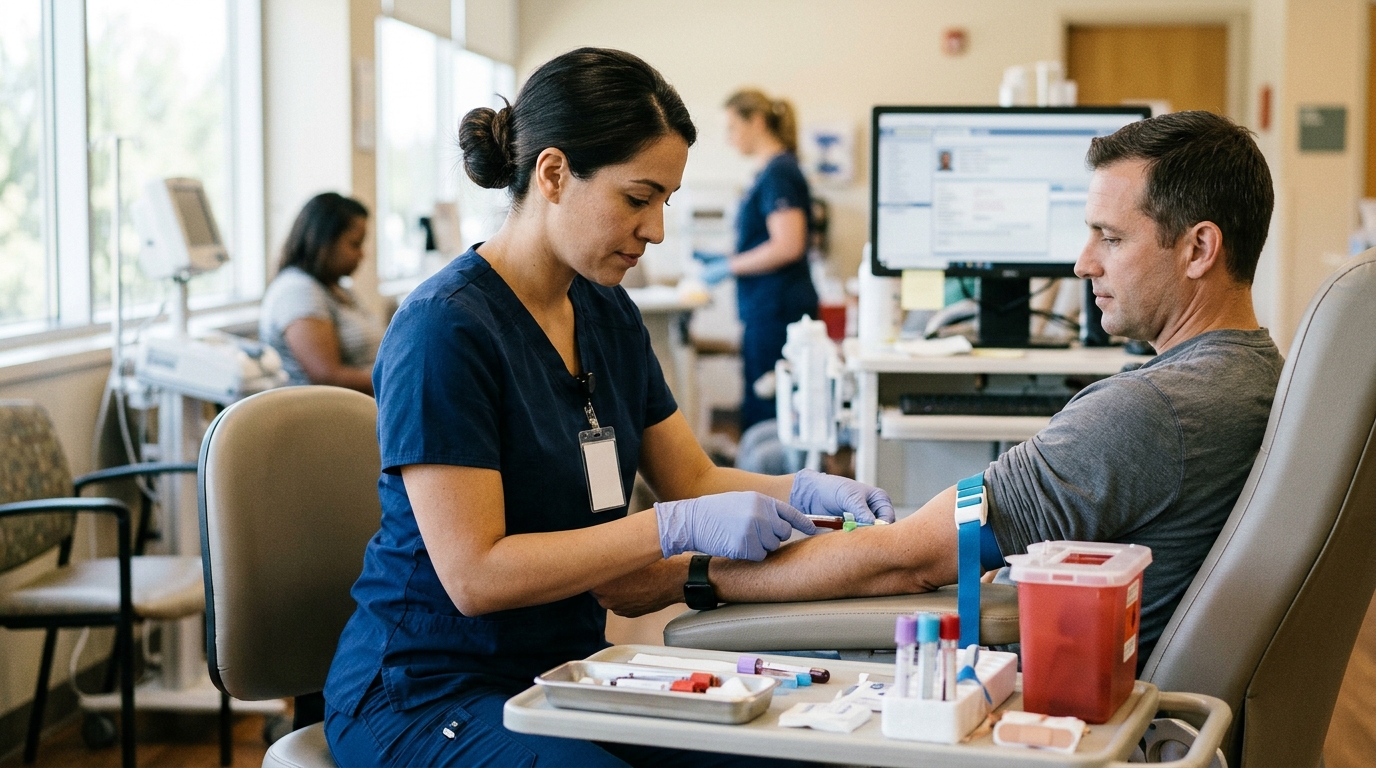
How to Become a Phlebotomist Fast: Certification Paths Compared
You can enter phlebotomy without a college degree. The typical entry-level education is a postsecondary nondegree award, and many employers look for candidates who have completed a professional certification (U.S. Bureau of Labor Statistics, 2025); certificate programs run at community colleges, vocational schools and technical schools and usually take less than one year (U.S. Bureau of Labor Statistics, 2025).
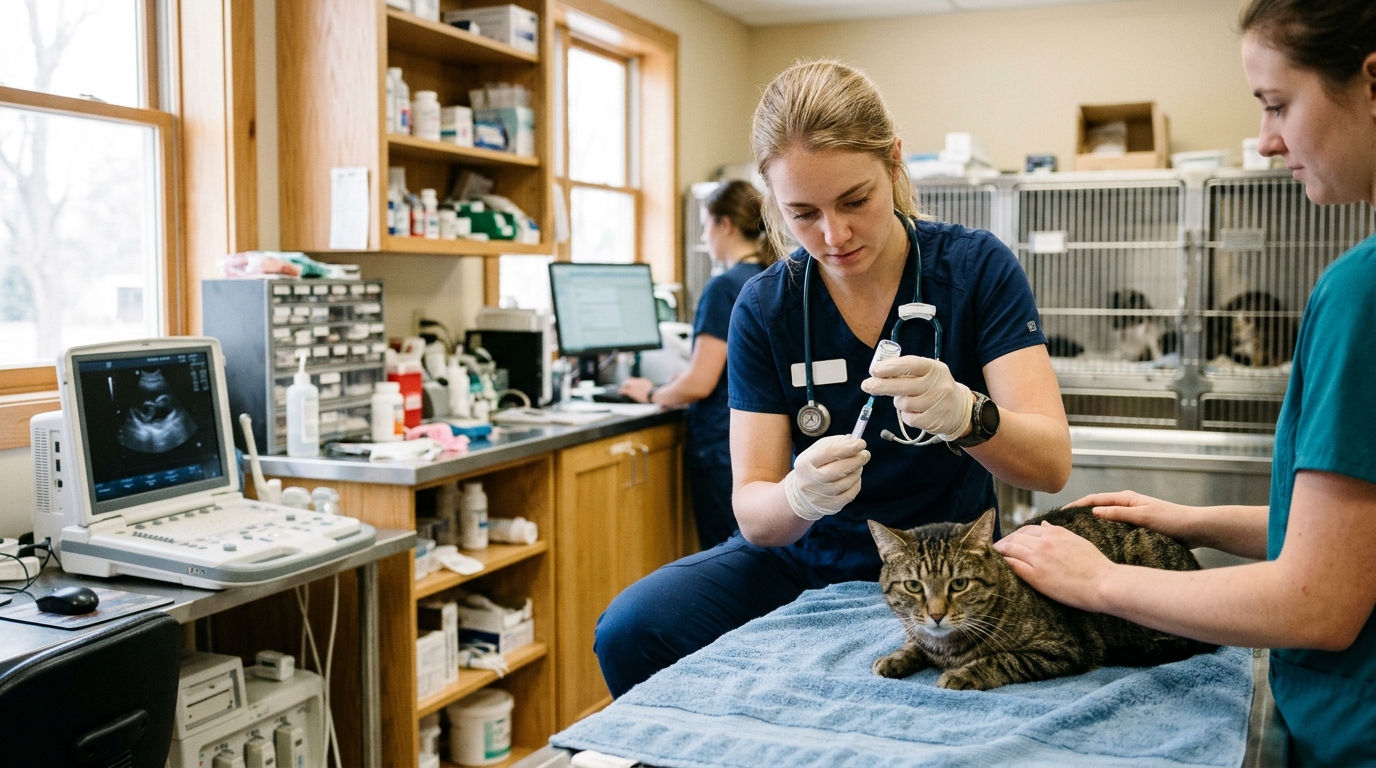
How to Become a Veterinary Technician: Step-by-Step Guide
Becoming a veterinary technician usually means completing a veterinary technology program accredited by the AVMA Committee on Veterinary Technician Education and Activities (CVTEA), passing the Veterinary Technician National Examination (VTNE) administered by the American Association of Veterinary State Boards, and then applying to your state board to be registered, licensed, or certified. The U.S. Bureau of Labor Statistics lists an associate's degree as the typical entry-level education for the occupation (2025), which puts most people about two years of full-time study away from their first credentialed job.

How to Become a Welder Without a Degree
You do not need a college degree to work as a welder. Welders, cutters, solderers and brazers typically enter the occupation with a high school diploma or equivalent plus technical and on-the-job training (U.S. Bureau of Labor Statistics, 2026-08-27), and ONET places the work in Job Zone 1-2, where job training runs from a few days to one year (ONET OnLine, U.S. Department of Labor).

How to Switch to a Career in Cybersecurity From the Military
Military service gives you two things civilian security teams pay attention to: hands-on experience operating and defending networks under rules, and a clearance that is expensive and slow for an employer to sponsor. The gap is usually documentation — civilian hiring managers recognize certifications and job titles, not MOS codes or evaluation reports.

Pharmacy Technician Career Path: Education, Certifications, and How to Start
Pharmacy technicians receive and verify prescriptions, measure and label medication, manage drug inventory and process insurance claims, all under a pharmacist's supervision. Typical entry-level education is a high school diploma or equivalent, followed by moderate-term on-the-job training (U.S. Bureau of Labor Statistics, 2025), and most states regulate technicians in some way — which may mean registration, a formal training program, an exam, fees, continuing education, a criminal background check and a minimum age (U.S. Bureau of Labor Statistics, 2025).

How to Become a Web Developer After a Career Change
You can move into web development from almost any field, because employers in this occupation may accept demonstrated ability through prior work experience or projects instead of a specific credential, and educational requirements range from a high school diploma to a bachelor's degree (U.S. Bureau of Labor Statistics, 2025). What they will not accept is a blank portfolio: you need a thorough understanding of HTML, and many employers also want another language such as JavaScript or SQL (U.S. Bureau of Labor Statistics, 2025).